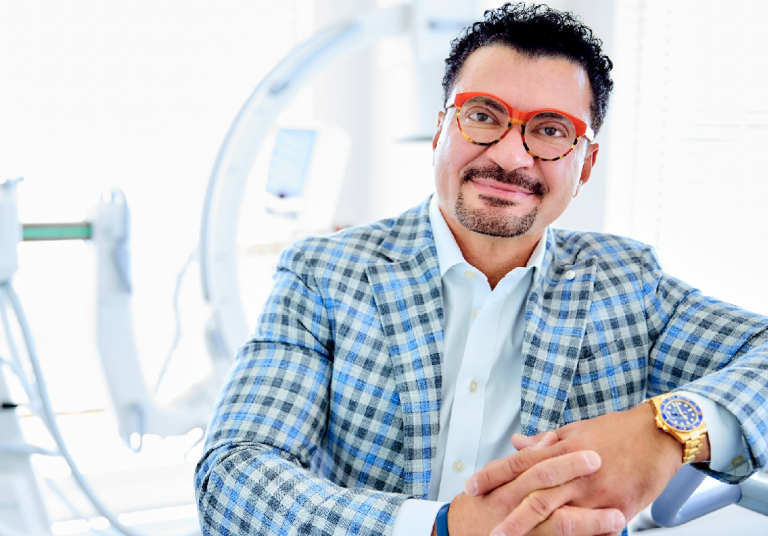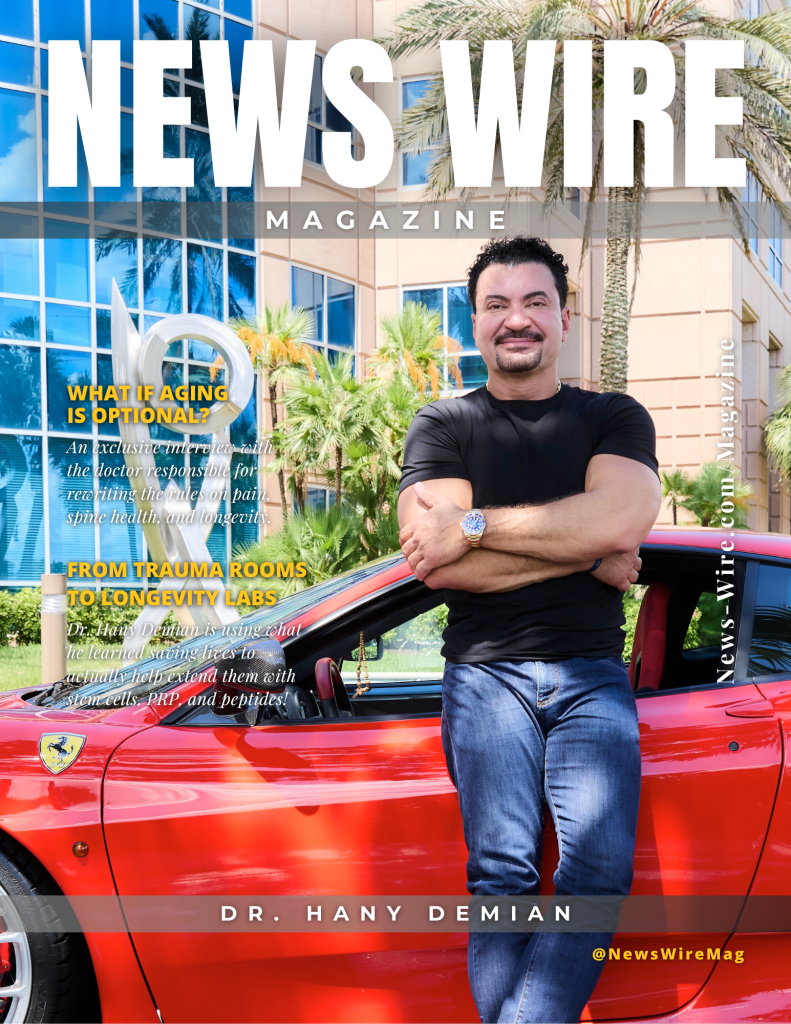
When searching for leaders who bridge chronic pain care, regenerative medicine, and longevity, one name keeps surfacing: Dr. Hany Demian. He is a physician, entrepreneur, and medical strategist who refuses to accept that patients must suffer for years on pills, injections, and waitlists.
Through his work in Canada, the United States, Egypt, and Dubai, Dr. Hany Demian leads a new model of care that connects trauma, pain management, spine surgery, and anti-aging into a clear, unified path. He blends complex science with a simple promise to his patients:
“You do not have to grow old the way your parents did. You do not have to stay in pain. Is Aging Optional?”
If you are ready to take action, you can jump straight to contacting Dr. Hany Demian.
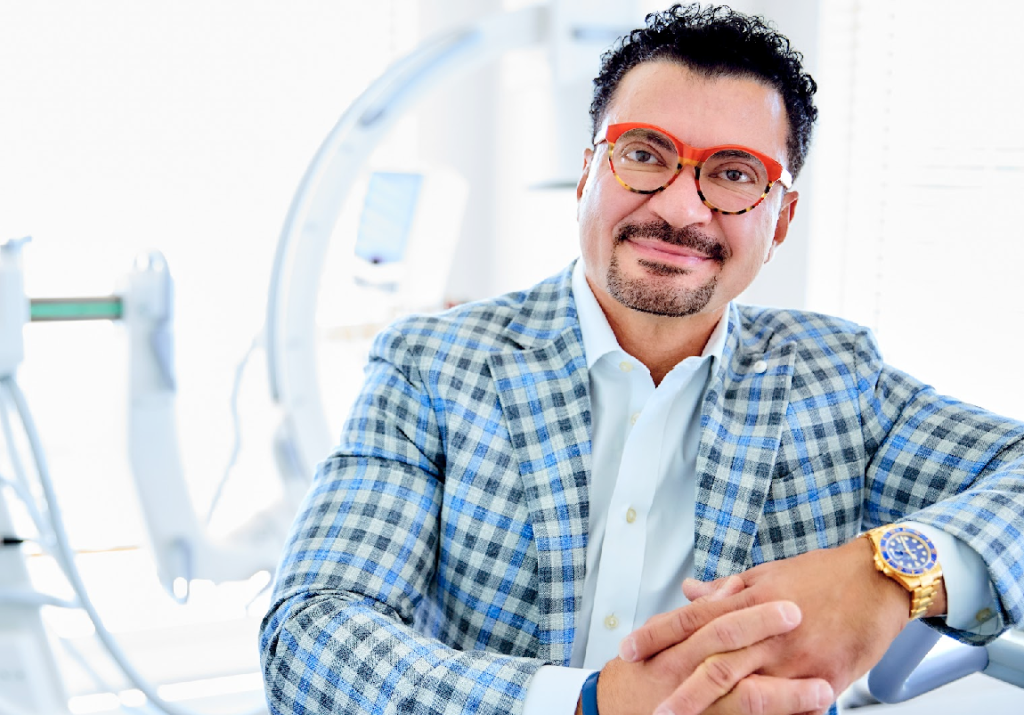 The Early Path That Shaped His Medical Philosophy
Before becoming a doctor, Dr. Hany Demian planned a business career. He liked entrepreneurship. He wanted freedom. He did not want a boss. Then a single day in Egypt reset everything.
A terrorist bombing struck the business school where he intended to apply. Instead of running, he stayed. He spent the day carrying wounded students, helping the injured reach hospitals, and doing whatever he could, despite lacking formal medical training.
He went home covered in blood. He looked at his business school application. He tore it up.
That moment redirected his entire life. He chose medicine. He decided to be with people in their worst moments. That sense of duty has never left his work.
From Trauma to Emergency Medicine to Chronic Pain
Early in his medical career, Dr. Hany Demian worked in trauma and emergency departments. He loved the urgency:
- Fast decisions.
- High-stakes cases.
- Lives saved in minutes.
Yet something bothered him. Trauma work is often a one-time encounter. You stabilize the patient. You move them on. You rarely see what happens months later.
He wanted to know:
- Did they walk again?
- Did the spine injury heal?
- Did their life ever feel “normal” after the crash?
That curiosity pushed him toward chronic pain and spine care, where he could follow patients for months and years, not just hours. He no longer wanted to save lives. He decided to restore them and start reversing the effects of aging.
Building a Three-Country Healthcare Network
Over time, Dr. Hany Demian’s work grew from individual practice to a multi-country network. Under the umbrella of his healthcare group, he now leads:
- Chronic pain and spine clinics across Canada under the Pain Care Clinics brand.
- Advanced spine centers and a micro-spine surgery facility, the BioSpine Institute, in Florida.
- Diagnostic imaging and collaborations in Egypt.
- Planned expansion and consulting work in Dubai and the Gulf region.
Each location serves a different need, yet all share one goal. Patients should not feel stuck between overworked public systems, rushed private clinics, and fragmented specialists. They need one integrated path.
The Mission Behind Praesentia Healthcare
To unify his vision, Dr. Hany Demian created Praesentia Healthcare. The idea is direct:
Follow the patient from the first episode of pain through to full recovery and long-term health.
Praesentia Healthcare focuses on:
- Chronic pain assessment and interventional procedures.
- Regenerative medicine for joints, spine, and systemic health.
- Micro-invasive spine surgery when needed.
- Longevity and anti-aging programs for patients who want more than pain relief.
Instead of bouncing between random specialists, patients work with a team that already understands their history, imaging, genetics, and goals.
Why Conventional Pain Care Fails Patients
Ask someone with back pain what their last five years looked like, and you often hear the same script:
- “I got a cortisone shot. It helped a bit.”
- “They told me to come back in three months for another injection.”
- “Surgery was mentioned, but nobody explained a clear path.”
This cycle is profitable, but it does not serve patients. It teaches people to live in fear of movement and to depend on temporary relief. It creates “patients for life,” not people who graduate from care.
Dr. Hany Demian takes a different stance. He believes:
- Every approach must have a time limit.
- If a method doesn’t deliver meaningful relief, you move on.
- The end goal is independence, not repeat billing.
His question is simple: are we actually fixing anything, or are we just buying time?
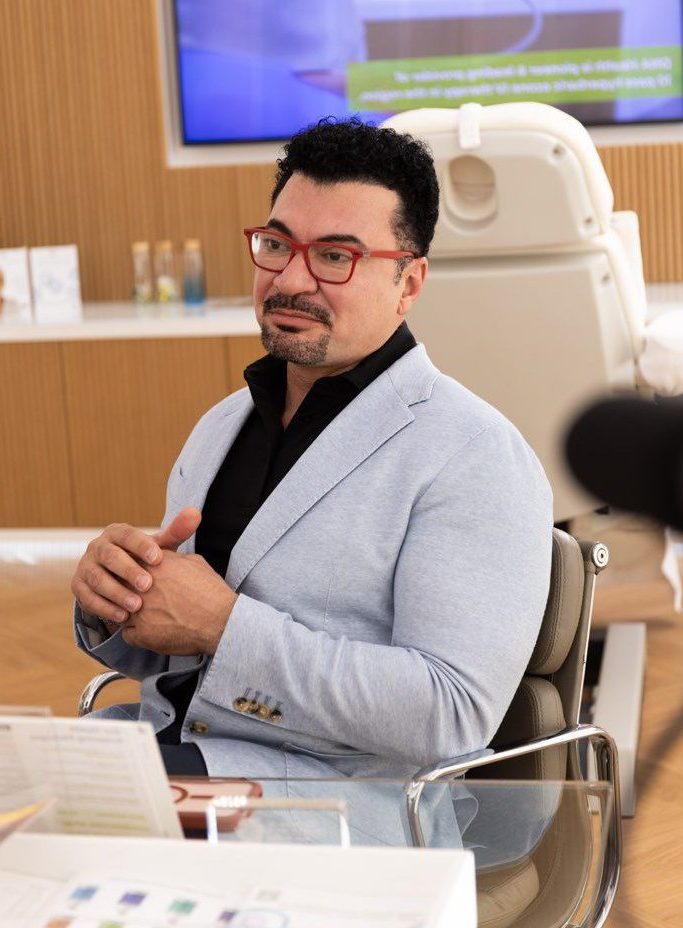 Discovering Regenerative Medicine and Longevity Care
In his clinics, he saw a pattern. A group of patients did poorly with traditional injections, yet were not ready for major surgery. He also realized he belonged in that group himself.
Car accidents, years of boxing, and a demanding career left his own spine compromised. Standard pain procedures helped, but the improvement felt limited. He did not want a full fusion. He also refused to live on injections.
That frustration led him into regenerative medicine:
- Platelet-Rich Plasma (PRP) to stimulate healing.
- Stem cell therapies to repair and support damaged structures.
- Peptides to drive repair, reduce inflammation, and support growth and recovery.
At first, regenerative care served the “middle group.” Over time, it became a core pillar of his model. Then he decided to push further and ask an even bigger question:
Could we prevent a large portion of this damage from ever reaching the crisis point?
Diving Into Cellular Medicine
To change a patient’s future, you have to go inside the cell. That drove Dr. Hany Demian into the world of:
- Genetics – the DNA you inherit.
- Genomics – how those genes interact as a system.
- Epigenetics – how lifestyle switches genes on or off.
He saw the same themes again and again:
- Some families carry a high risk for heart disease, diabetes, or cancer.
- Others carry patterns that affect joint health and disc degeneration.
- Many people have methylation issues that impair detox, energy, and repair.
He also pushes patients to understand the difference between chronological and biological age. You might be 45 on paper, but test like 60 at the cellular level. Or, with the right plan, you might be 55 with labs that look closer to 40.
That shift in thinking is powerful. It changes the question from “How old am I?” to “How old are my cells?”
Leaders Shaping the Longevity Conversation
The global conversation around longevity and anti-aging has grown fast. Names like Gary Brecka, Andrew Huberman, and Peter Attia bring lab data, science, and practical tools to large audiences. They highlight sleep, strength training, metabolic health, and early detection.
In that context, Dr. Hany Demian brings something unique. While many voices in this space come from research, media, or wellness coaching, he comes from:
- Trauma and emergency rooms.
- Chronic pain clinics.
- Operating rooms performing micro-spine surgery.
- Hands-on regenerative procedures.
He shares the same respect for sleep, training, and data. At the same time, he has a scalpel, a C-arm, ultrasound machines, and a staff of nurses and surgeons behind him. That combination gives him both front-line experience and long-term perspective.
Why He Decided to Become a Public Educator
For much of his career, he stayed off social media. His focus was on running clinics, training staff, and caring for patients. Then he watched a surge of influencers giving advice on hormones, peptides, and stem cells with little or no formal medical background.
He saw:
- Young men buying peptide stacks online with no blood work.
- People self-prescribing steroid cycles under the label of “HRT.”
- Patients paying for trendy treatments that never addressed root causes.
At that point, staying quiet would have felt like looking away. He began appearing on podcasts, TV interviews, and digital platforms to explain what actually works and why context matters. His goal is not to scare people. His goal is to give them enough insight to make informed decisions.
Dr. Demian’s Personal Exploration With Peptides
When the world slowed during lockdowns, his body sent him a warning. Training sessions that used to feel easy now wiped him out. Recovery stalled. Standard supplements no longer worked.
Instead of ignoring the signs, he became his own first case study.
He started with:
- BPC-157 to support gut integrity and soft-tissue repair.
- TB-500 to enhance systemic recovery and healing.
Within weeks, his recovery curve changed:
- He could train the same muscle group within a day.
- Soreness dropped.
- General energy and drive returned.
Later, he conducted a targeted test with GHK-Cu, a peptide known for its effects on skin and hair. He paused other supplements and gave it time. His wife noticed the difference before he even explained what he was doing.
Those experiences did not replace data, but they reinforced the science. They convinced him that peptides deserved a formal place in his practice, provided they were matched with proper testing and oversight.
The State of Peptide and Stem Cell Therapy Today
Peptides and stem cells sit at an interesting crossroads. On one side, they have huge promise. On the other hand, they attract hype and abuse.
Used correctly, they can:
- Support disc and joint recovery.
- Help rebuild collagen and connective tissue.
- Improve recovery from surgery or heavy training.
- Complement hormone optimization and nutrition.
Used carelessly, they can:
- Mask underlying disease.
- Place stress on organs.
- Lead to legal and medical problems when sourced from unregulated suppliers.
This is where Dr. Hany Demian draws a line. He believes every peptide or stem cell plan must start with:
- Baseline blood work.
- Genetic and epigenetic review when possible.
- Clear goals and exit criteria.
He sees these therapies as tools in a toolbox, not magic shortcuts.
Challenging the Myths About Back Pain
One myth he confronts often is the idea that back pain is “part of getting old.” Another is that if everyone in your family has bad backs, you are doomed.
He sees back pain as the result of:
- Weakness from inactivity.
- Hormone decline that affects muscle, bone, and discs.
- Chronic inflammation from food, stress, and poor sleep.
- Untreated injuries that never healed correctly.
Genetics can put you at risk. They do not decide your outcome. He uses his own case to make the point. Imaging once showed eroded discs. Degenerative changes looked severe. Rather than accept that as destiny, he applied:
- Stem cell injections, including into compromised discs.
- Carefully chosen peptides.
- Strength work and mobility training.
- Hormone optimization built around his labs.
Follow-up imaging and how he feels today tell a different story. His back is performing closer to his younger years, and he has avoided the major spine surgery he once considered.
Hormone Optimization With Medical Precision
Hormones affect how you look, feel, think, and move. Yet many people are told that “your levels are normal for your age,” while every part of their daily experience screams otherwise.
When Dr. Hany Demian reached that crossroads himself, he faced the same message. His testosterone sat in the acceptable range on paper. In real life, he felt tired and less driven.
He chose to start testosterone replacement and do it the right way:
- Tracking total and free testosterone.
- Watching estrogen and its conversion patterns.
- Monitoring markers tied to clotting and cardiovascular stress.
He often uses support like DIM to help manage estrogen balance. The outcome:
- More energy.
- Higher drive.
- Better training sessions.
He now extends the same careful approach to patients, both men and women. Hormones are not about vanity for him. They are about function, resilience, and quality of life.
The Power of Genetic and Epigenetic Testing
Genetic testing reveals the terrain. Epigenetic testing shows how you are currently walking across it. Together, they guide more intelligent choices.
In practice, Dr. Hany Demian uses these tests to:
- Spot high-risk patterns for cancers, heart disease, and metabolic conditions.
- Identify how the body handles cholesterol, inflammation, and toxins.
- Find methylation issues that classic blood work often misses.
He then builds a treatment that fits the patient, such as:
- Metformin for glucose and insulin resistance when indicated.
- Methylated B vitamins and minerals for methylation support.
- Infusion series to “kickstart” sluggish pathways.
In one example, his own genetics revealed a higher risk for thyroid cancer. That changed how he approached popular GLP-1 drugs for weight control. He still uses them strategically, yet he does not treat them casually or long-term. That is the difference between protocol and trend-chasing.
His Book: Making Aging Optional
All of these pieces come together in the central thesis of his upcoming book: aging is more optional than most people realize.
He does not mean you can stop time. He means you can choose the slope of your decline, or even flatten it for decades.
In his view:
- Aging begins at birth, not at 40.
- Every decade carries leverage points.
- Small, smart decisions compound over time.
Picture these questions:
- What would it take to play on the floor with your grandkids at 80 without fear?
- What would it take to drive, lift, travel, and work on your terms at 70?
His work and his book aim to provide people with a map to those answers. Not a fantasy. A plan.
The Proven Pathway: Conservative to Regenerative to Micro-Invasive
In day-to-day practice, his method for spine and chronic pain follows a clear sequence.
1. Conservative Care
- Assessment, imaging, and proper diagnosis.
- Physical therapy and strength work.
- Epidurals, nerve blocks, and radiofrequency ablation where appropriate.
He gives these strategies a fair trial. If they help, great. If not, they are not repeated forever.
2. Regenerative Medicine
- PRP for joints, ligaments, tendons, and some disc issues.
- Stem cells targeted to degenerative areas.
- Peptide and hormone support to improve the body’s own repair systems.
This stage often serves people who want to avoid or delay surgery yet are serious about change.
3. Micro-Invasive Spine Surgery
When surgery is the right choice, his team at BioSpine Institute uses micro techniques:
- Small 5 mm incisions.
- Muscle-sparing access instead of large cuts.
- Minimal bone removal to decompress nerves.
- Stem cell support to help the area heal and stabilize.
Patients walk soon after surgery and often return to light work within days. For many, the process feels more like a reset than a long ordeal.
The Role of Sleep and Daily Metrics in Longevity
Longevity is not only about labs. It is also about how you sleep, move, and recover each day. Wearables now make that visible.
In his programs, Dr. Hany Demian often tracks:
- Hours of deep and REM sleep.
- Heart rate variability trends.
- Resting heart rate and breathing patterns.
He coaches patients to make targeted shifts:
- Earlier bedtimes.
- Reduced evening screen time.
- Better pre-sleep routines.
He also pays close attention to strength as a metric of aging. Simple tests matter:
- Can you stand from a chair without using your hands?
- Can you walk a flight of stairs with confidence?
- Can you carry groceries without needing to stop?
These are not minor details. They are predictors of independence and lifespan.
Inside His White Glove Longevity Membership
For those ready to commit, he built a white glove longevity membership that combines medical depth with concierge support.
Every member goes through:
- Comprehensive genomic testing.
- Epigenetic assessments to estimate biological age.
- DEXA scans for muscle, fat, and visceral fat measurements.
- Microbiome testing to uncover hidden gut issues.
From there, his team designs a personal protocol that can include:
- Weekly infusions or injections based on lab data.
- Monthly supplement packages aligned to genetic and epigenetic needs.
- Wearable integration so the team can monitor sleep and recovery.
- Regular reviews and adjustments as the body responds.
Every six months, they compare new data to the starting point. They look for real change:
- Higher muscle mass.
- Lower visceral fat.
- Better blood sugar control.
- Lower inflammation.
One rule sets this program apart. If a member does not follow the plan, they will be released. He believes the slot should go to someone ready to do the work.
Over the years, he has built Pain Care Clinics into a platform that feeds directly into these advanced programs, giving patients a bridge from pain relief to long-term health.
The Movement Toward Taking Control of Aging
The old model treated aging as a slow slide into pain and limits. You took pills. You saw specialists. You shrank your life to match your symptoms.
Dr. Hany Demian works toward a different picture. One where:
- People in their fifties feel capable and strong.
- People in their sixties and seventies still pursue ambitious goals.
- Spine surgery, when needed, becomes a precise reset, not a last resort.
He speaks to patients who are ready to stop accepting “normal for age” as an answer. His message is clear:
You can either drift into the future or design it. The choice is yours.
Final Message From Dr. Hany Demian
If you live with chronic pain, feel your energy fading, or fear what aging will do to your body, Dr. Hany Demian offers a different path.
You can:
- Test, not guess.
- Treat causes, not only symptoms.
- Use modern tools in a structured, ethical way.
- Build a body that serves your goals for decades to come.
Aging will always move forward. The speed and quality of that journey are still up for negotiation. That is the work of Dr. Hany Demian and the world he is building for his patients.